Duluth, Georgia · Gwinnett County
Water Damage Restoration Duluth, GA
24/7 water damage restoration in Duluth, GA. The restoration team extracts standing water, dries the structure to the IICRC S500 standard and documents every step for your insurance claim.
(888) 532-4616Water spreading in Duluth? Call now- IICRC S500 drying standard
- Truck-mounted extraction
- Daily moisture readings
First steps
What to do while the water is still moving
- 1
Shut off the water
Close the main. In Duluth houses it is usually in the garage, basement or at the crawl-space entry.
- 2
Kill power to wet circuits
Only from a dry panel. Stay out of standing water near outlets and cords.
- 3
Photograph before moving anything
Wide shots, then close-ups. Lift rugs and boxes off the wet floor.
- 4
Call within the first hour or two
The 24 to 48 hour window decides how much has to come out.
Water and sewage only
Water Damage Restoration Services in Duluth, GA
Every service below is a water loss, from a dripping attic air handler to a flooded daylight basement. Each one follows the same order: map the moisture, extract, dry the structure, verify dry.
 Water ExtractionStanding water pulled out fast, the first move on every Duluth loss.View service
  Burst Pipe CleanupSplit supply lines and failed polybutylene, extracted and dried inside the wall.View service
  Frozen Pipe CleanupThe rare Georgia hard freeze splits attic and crawl-space pipes. Dried, not patched over.View service
  Basement Flooding CleanupDaylight basements on sloped red-clay lots, pumped out and dried to a reading.View service
  Crawl Space Water DamageWater under ranch homes pulled out before it soaks joists and subfloor.View service
  Water Heater Failure CleanupAttic, garage and basement tanks that let go, extracted and dried.View service
  AC Condensate Leak Water DamageClogged attic air handler drains that soak ceilings all summer.View service
  Ceiling Leak Water DamageLeaks from baths and attic equipment above, traced and dried in place.View service
  Roof Leak Water DamageStorm-lifted shingles and failed flashing, dried from attic to ceiling.View service
  Storm & Flash Flood CleanupThunderstorm runoff and creek rise pulled out, disinfected and dried.View service
  Appliance Leak CleanupWasher, dishwasher and ice-maker lines that fail when nobody is home.View service
  Structural DryingFraming, subfloor and wall cavities dried to the S500 goal.View service
  Sewage Backup CleanupCategory 3 backups contained, removed and disinfected.View service
  Commercial Water Damage RestorationOffices, retail and multifamily along Satellite Boulevard and Gwinnett Place.View service
How a water loss is handled
Water damage dried to the IICRC S500 standard
What separates a finished dry-out from a cosmetic one is the order of the work. The drying team measures first and leaves last.
- 1
Moisture mapping
The tech who does the walkthrough maps wet materials with pinless meters and thermal imaging and sets the category and class of the loss.
- 2
Extraction
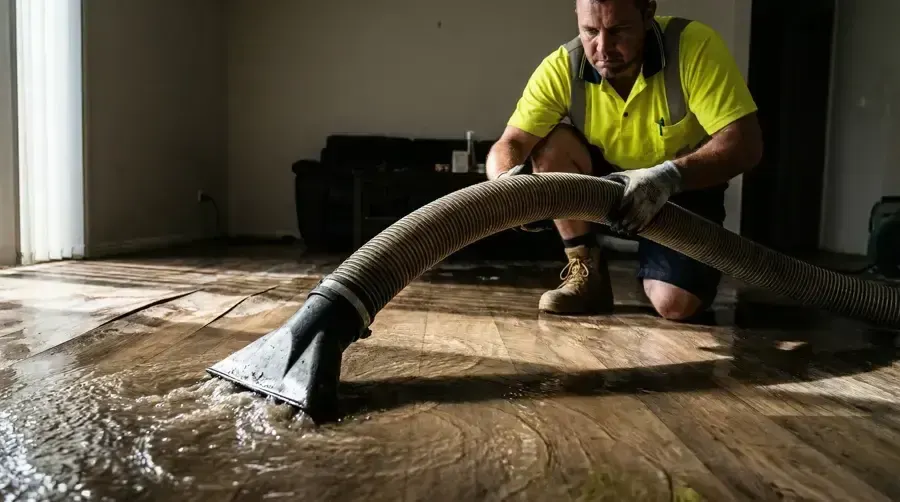
The extraction crew pulls standing water with truck-mounted extraction so it leaves the house instead of moving into the next room.
- 3
Air movers and LGR dehumidifiers
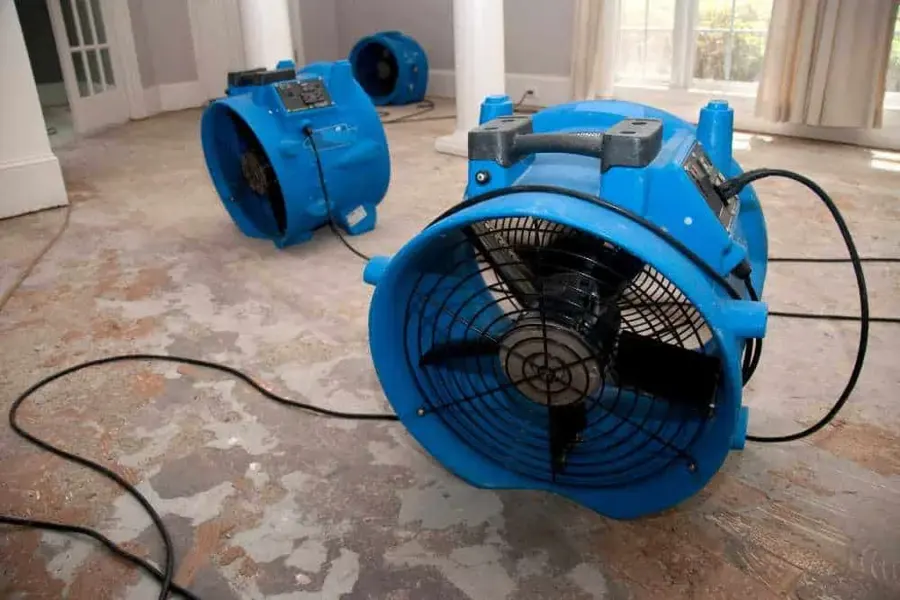
Equipment is sized to each room's evaporation load. In a humid Georgia summer the dehumidifiers carry much of the work.
- 4
Daily readings to the drying goal
Readings are logged every day, and equipment comes out only when wet materials sit within 2 to 4 points of a dry reference.
- Structural drying, not just surface
- Thermal imaging
- Desiccants for Class 4
- HEPA air scrubbers on contaminated losses
Storm season on red clay
When a Georgia thunderstorm puts water inside
Summer storms around Duluth can drop inches of rain in a few hours. Clay soil drains slowly, so runoff heads for walkout doors, basement walls and crawl-space vents. Outside water is Category 3, and the mitigation team handles it that way.
(888) 532-4616Storm water inside? Call the Duluth team- Afternoon downpours and remnant tropical storms overwhelm storm drains and yards.
- Georgia red clay holds water against foundation walls long after the rain stops.
- Low lots near the creeks that feed the Chattahoochee see runoff first, as in the September 2009 floods.
Typical cost ranges
What does water damage restoration cost in Duluth, GA?
In Duluth, GA, water damage restoration typically runs $1,200 to $9,000, and larger contaminated losses can run higher. The drivers are the water category, the square footage that got wet, the material class and how fast drying started.
Contained clean-water loss
$1,200 to $2,800
- One area, Category 1
- Extraction and air movers
- Three to four drying days
Several rooms or a level
$2,800 to $6,000
- Walls, ceilings or cavities wet
- Some drywall and pad removed
- Dehumidifiers and daily logs
Sewage or storm water
$6,000 to $9,000+
- Category 3 removal
- Containment and antimicrobial
- Full structural drying
Ranges are typical, not quotes. For a closer planning number, try the water damage cost calculator.
Water categories
All water damage categories covered in Duluth, GA
Category 1, clean water
Supply lines, water heaters, AC condensate. Extracted and dried in place when drying starts early.
Category 2, gray water
Washer and dishwasher drains, toilet overflow with no waste. Soaked materials are cleaned or removed.
Category 3, black water
Sewage backup and outside floodwater. Porous materials come out, then disinfection and drying.
Sewage backup cleanupInsurance
Documentation for your insurance claim
A water claim is decided on the file, not on the phone. Sudden and accidental discharge, like a burst supply line, is treated differently from rising surface water, which falls under flood coverage. Coverage depends on your policy, so it is worth checking with your own insurer.
What a complete claim file carries
- The moisture map from the first walkthrough
- Daily psychrometric readings and drying logs
- Timestamped photos taken before any demolition
- The category and class of the loss and a line-item scope
Gallery
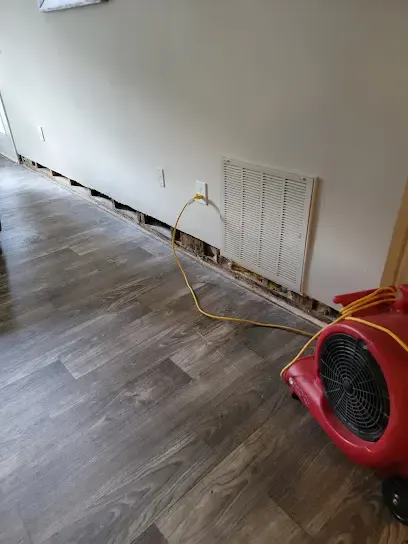
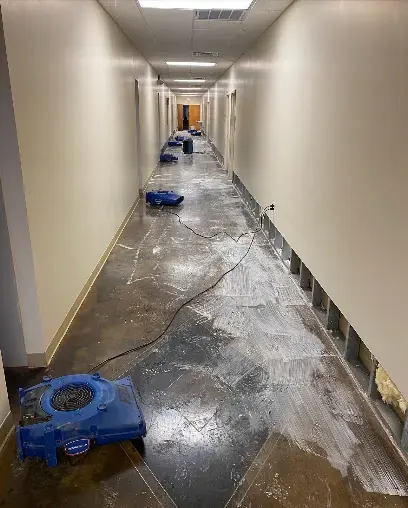
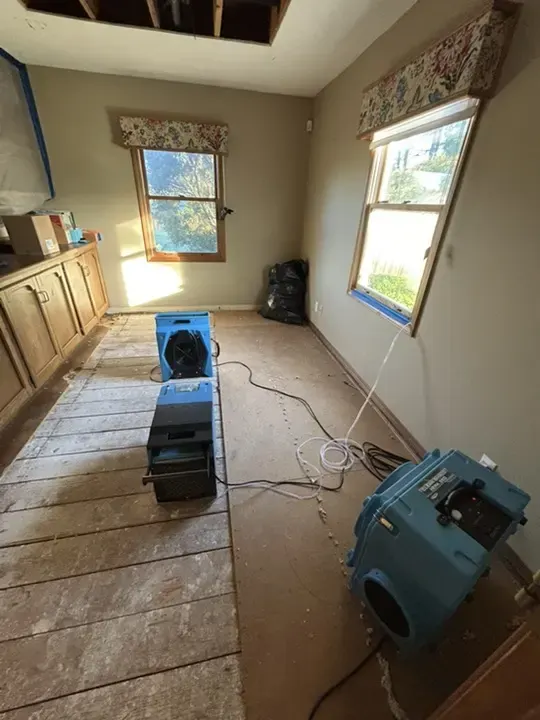
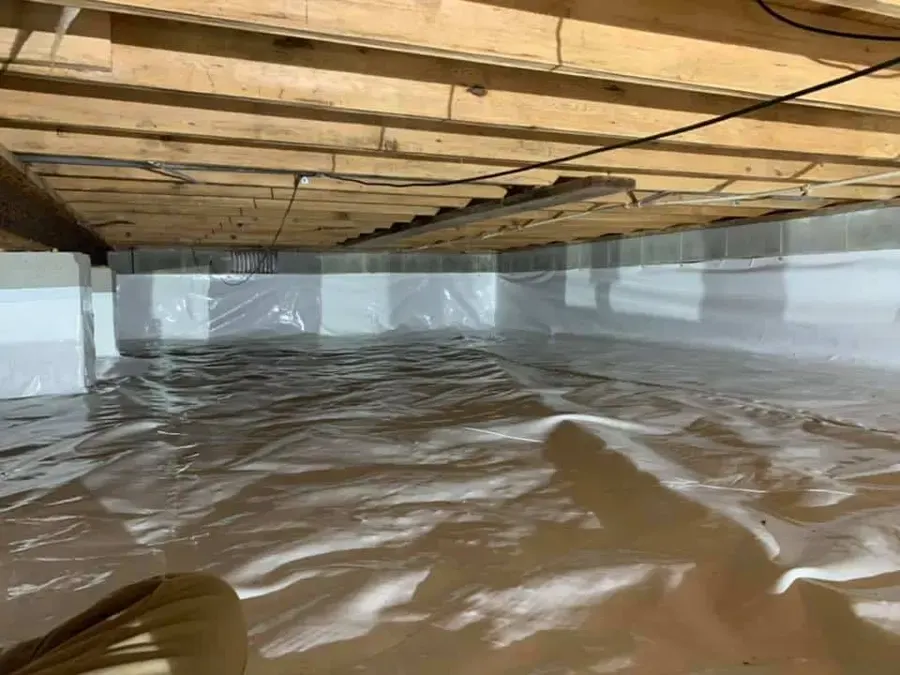
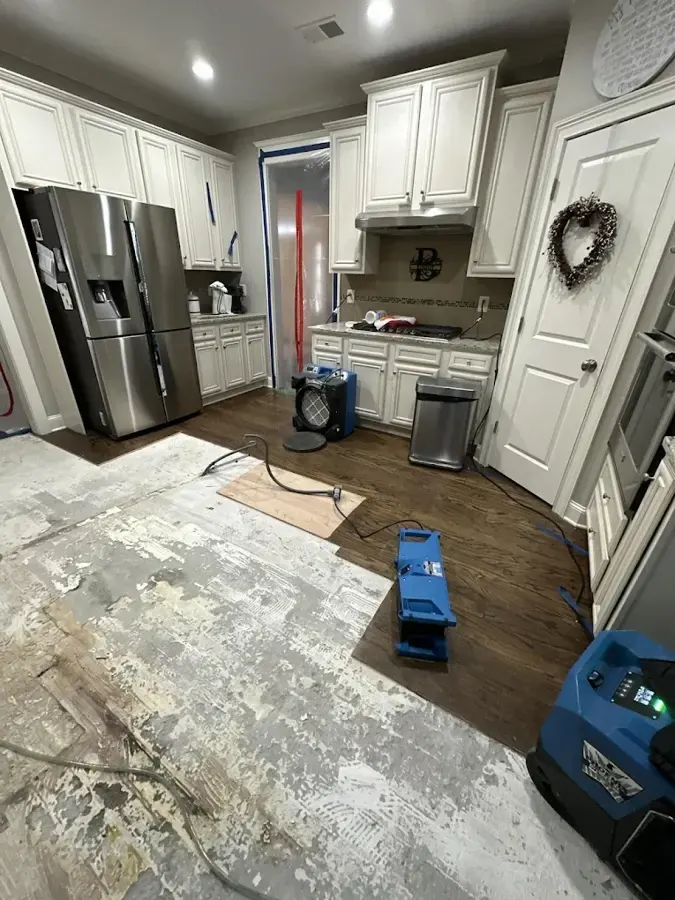
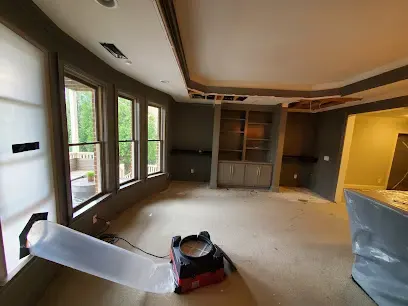
What a water damage dry-out looks like in Duluth
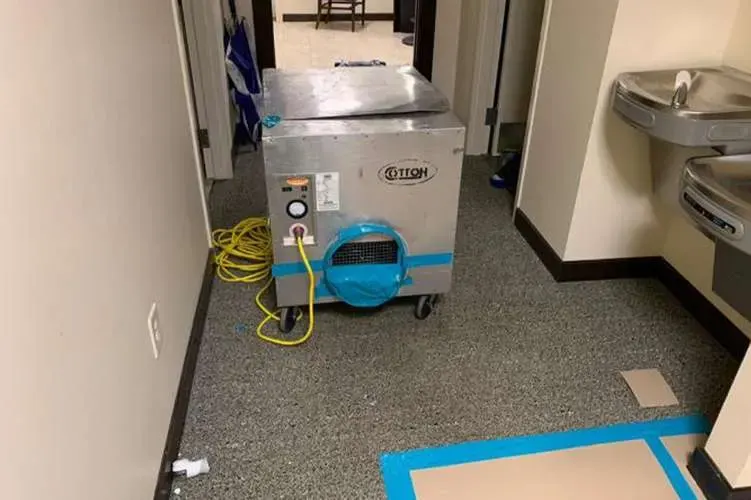
Areas served
Water damage restoration across Duluth and Gwinnett County
The Duluth restoration crew covers the whole city and the Gwinnett County ZIP codes around it, from the Town Green and Pleasant Hill to Sugarloaf and the Chattahoochee side.
- 30095
- 30096
- 30097
- 30098
- 30099
Downtown Duluth and the Town Green · 30096
Downtown Duluth, Town Green, Buford Highway corridor
Sugarloaf and the north side · 30097
Sugarloaf, Sugarloaf Country Club, McGinnis Ferry Road, Abbotts Bridge Road
Pleasant Hill and Gwinnett Place · 30096
Pleasant Hill, Gwinnett Place, Satellite Boulevard, Gas South District
The Chattahoochee side · 30097
Rogers Bridge Park, Peachtree Industrial Boulevard, Berkeley Lake
East Duluth toward Lawrenceville · 30095
East Duluth, Sugarloaf Parkway, Old Peachtree Road
Nearby Gwinnett and north Fulton
Suwanee, Johns Creek, Peachtree Corners, Norcross, Lawrenceville, Sugar Hill, Buford, Lilburn

Local conditions
Water damage in Duluth, GA: the local risk profile
Duluth is mostly 1980s to early 2000s Gwinnett housing on rolling red clay, and that shapes how water gets in.
- Attic air handlers and attic water heaters send overflow straight into the ceilings below.
- Houses plumbed from about 1978 to 1995 often carry polybutylene supply lines that fail at the fittings.
- Daylight basements and crawl spaces on sloped clay lots take runoff after long summer rains.
- Rare hard freezes, like January 2014 and December 2022, split pipes in attics and exterior walls.
Answers
Duluth water damage questions, answered
How fast can a restoration crew start in Duluth?
The response team dispatches 24/7 across Duluth and Gwinnett County, and rapid local response is the norm on active water. Water keeps spreading into subfloor and drywall while it sits, so the first call matters more than the first repair.
What should I do first while the water is still spreading?
If it is safe, close the main shutoff, cut power to wet circuits at a dry panel, stay out of standing water near outlets and photograph the damage before moving anything. Lift rugs and boxes off wet floors, then call.
Is water damage covered by homeowners insurance in Georgia?
Sudden and accidental water, like a burst supply line or a failed water heater, is often covered after the deductible. Rising outside water usually falls under flood coverage, and sewer backup often needs a separate endorsement. Coverage depends on your policy, so it is worth checking with your own insurer.
What causes most water damage in Duluth homes?
The usual sources are attic air handlers with clogged condensate drains, attic and garage water heaters, polybutylene and aging supply lines in 1980s and 1990s houses, washer and ice-maker hoses, storm runoff into daylight basements and crawl spaces, and pipes that split in the rare hard freeze.
How long does it take to dry a house after water damage?
A contained Class 1 loss usually dries in three to five days. Hardwood, plaster, concrete and multi-layer floors take longer. The drying goal is not a date: crews compare daily readings with a dry reference material and pull equipment when wet materials sit within 2 to 4 points of it.
What is the IICRC S500 standard?
IICRC S500 is the industry drying standard for water damage restoration. It covers how losses are classified by category and class, how drying is planned and measured, and when materials have to be removed instead of dried.
When does drywall have to come out?
Drywall comes out when it was touched by Category 3 water, when it sags, when soaked insulation sits behind it, or when readings will not come down. Clean-water losses caught early are often dried in place through small access holes.
Why is sewage or storm water handled differently?
Sewage and outside floodwater are Category 3 the moment they enter the house. Porous materials they touched, like carpet, pad and the bottom of the drywall, are removed rather than dried, and surfaces are treated with an EPA-registered antimicrobial.
How is the cost of water damage restoration worked out?
The main drivers are the water category, the square footage that got wet, the material class (carpet and drywall versus hardwood, cabinets or plaster) and how fast drying started. Most Duluth losses fall between $1,200 and $9,000.
What is the difference between mitigation and repair?
Mitigation is the emergency work: extraction, removal of ruined materials and drying. Repair or reconstruction, such as new drywall, paint and flooring, is a separate phase that starts once the structure is dry.
Emergency water removal, Duluth, GA
Water in your Duluth home right now?
Standing water moves into subfloor, baseboard and drywall within hours. The Duluth restoration crew extracts, dries and documents the loss across Gwinnett County.